February at Orange Seeds: Raising a Healthy Child
When we think about raising a healthy child, certain things usually come to mind right away. We know children need a consistent routine. We know nutritious meals matter. We know they need to move their bodies, spend time outside, and get enough sleep. All of these things are essential, and they create the foundation for healthy physical development.
But is that the whole picture?
These habits support the body, but a truly healthy child also needs support for the mind and emotions. Just as children need proper nutrition and rest to grow physically, they also need the right environment and meaningful experiences to develop emotionally and cognitively in a healthy way.
At Orange Seeds, this is something we think about every day.
A healthy brain is not built only through academic learning. In the early years, the brain develops through experience. Every conversation, every movement, every problem solved, every opportunity to try again, every moment of connection with a caring adult helps shape the developing brain. Children do not learn best by simply receiving information. They learn through doing, exploring, repeating, observing, and engaging with the world around them.
This is why early childhood experiences matter so deeply. A child’s brain develops in response to what the child lives through each day. Rich, meaningful experiences help build strong pathways for language, memory, attention, emotional regulation, and problemsolving. In other words, development is not only about what we teach children, but about the environments and experiences we provide for them.
Emotional health begins with feeling secure. When children know what to expect from their day, when they are surrounded by calm, responsive adults, and when their feelings are acknowledged, they begin to develop trust in the world around them. This sense of security supports not only emotional wellbeing, but learning as well. A child who feels safe is more likely to explore, communicate, and engage confidently with others.
Cognitive development also depends on much more than memorizing information. Young children build their minds through active experience. They learn by touching, moving, observing, repeating, asking questions, and making connections. They need time to concentrate, opportunities to try things independently, and support when something feels difficult. This is how real thinking develops.
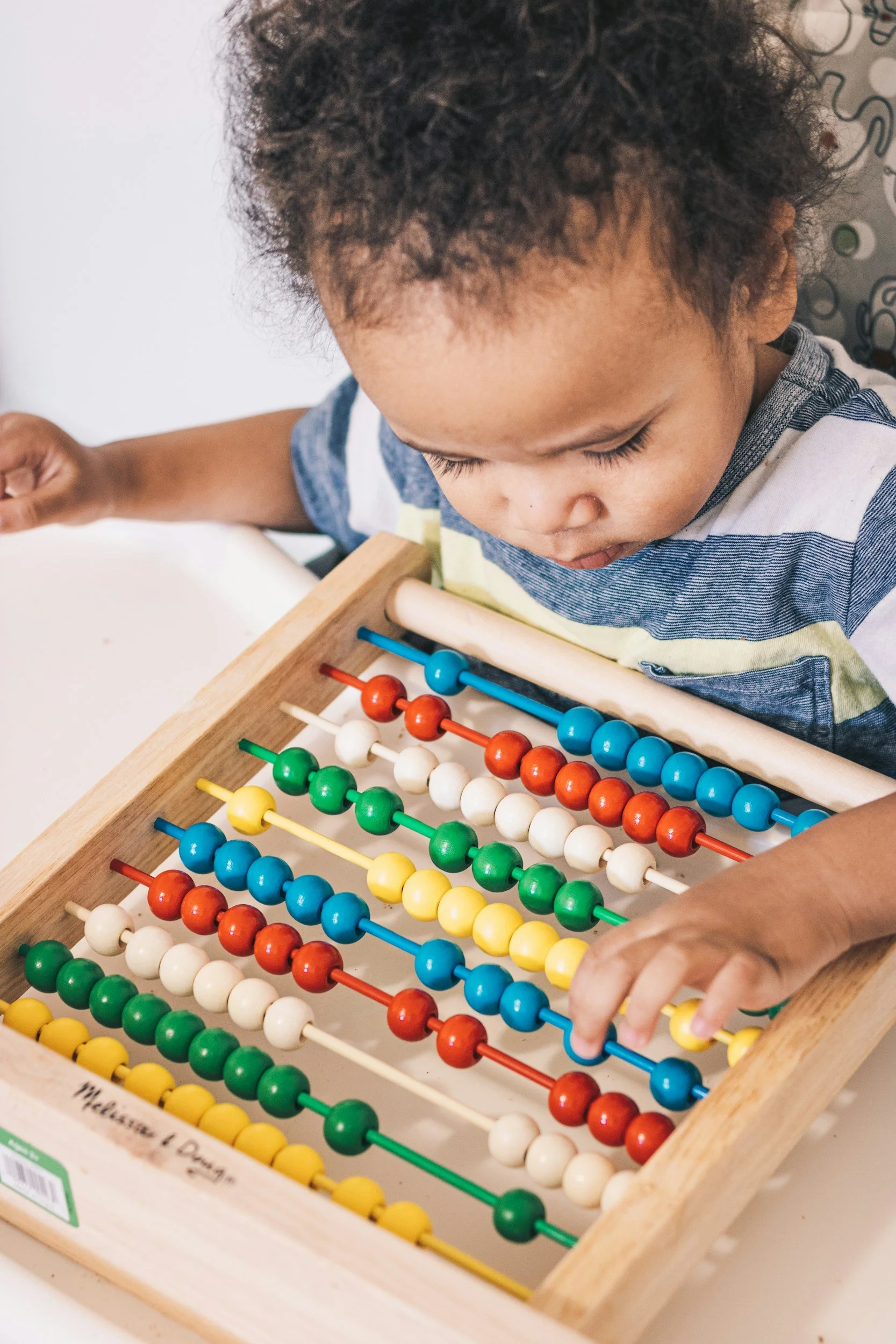
An important part of brain development in the early years is the growth of executive function. Executive function includes the mental skills that help children focus, remember instructions, control impulses, adapt to change, and manage tasks. These skills are the foundation for learning and for everyday life.
When a child waits for a turn, follows a sequence of steps, finishes a piece of work, solves a problem, or manages frustration with support, executive function is being strengthened. These abilities do not appear all at once. They grow gradually through repeated practice in everyday experiences.
This is one of the reasons Montessori education is so supportive of healthy brain development. In a Montessori environment, children are given opportunities to make choices, complete purposeful activities, care for their surroundings, solve real problems, and work with increasing independence. These experiences support concentration, selfregulation, memory, flexibility, and persistence, all of which are connected to executive function.
Just as the body grows stronger through healthy habits, the mind grows stronger through purposeful activity and relationships. Children develop cognitively when they are encouraged to focus, reason, notice patterns, use language, and think through everyday problems. They develop emotionally when they learn that feelings are normal, relationships matter, and they are capable of working through challenges with support.
So what helps support a child’s emotional and cognitive health?
It starts with simple but meaningful things:
Strong relationships with caring adults
Predictable routines
Time for free movement and outdoor play
Opportunities for independence
Language-rich conversations
Calm and respectful guidance
Space to rest, reflect, and process
Meaningful social experiences with other children
Hands-on experiences that engage the mind and body
Daily opportunities to practice focus, self-control, and problem-solving
In a Montessori environment, these elements come together naturally. Children are given freedom within clear boundaries. They are encouraged to participate in real life, care for themselves and their environment, and build concentration through purposeful work. They learn to express their needs, respect others, and develop confidence in their own abilities.
This is important because a healthy child is not only one who is physically growing well. A healthy child is also one who is developing resilience, confidence, emotional awareness, curiosity, and the ability to think independently.
As parents, it can be easy to focus on the visible signs of health: eating well, sleeping enough, staying active. These matter deeply. But the inner development of the child matters just as much. Emotional security, cognitive challenge, connection, meaningful experiences, and a sense of capability all shape the kind of person a child becomes.
This February, we are reflecting on the bigger picture of what it means to raise a healthy child. Not only a child with a healthy body, but a child with a healthy mind, a healthy emotional life, and a strong foundation for the future.
Because true wellbeing is never only physical. It is whole-child development.