
Are We Preparing Children for the Future We Know Is Coming?
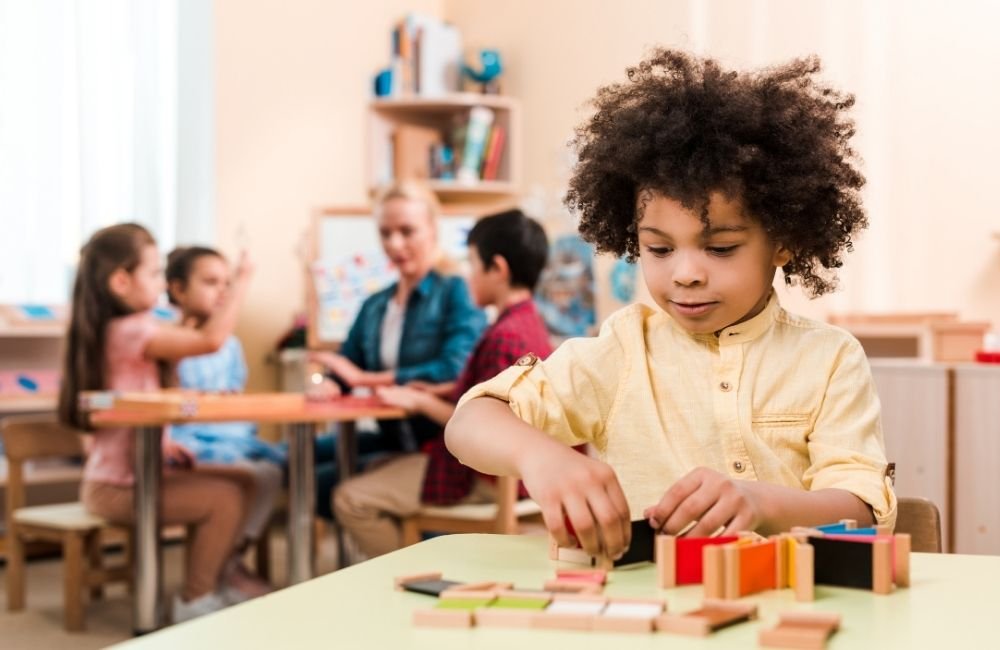
As parents, we all want our children to do well in school. We want them to be confident, capable, and ready for life. But many families are starting to ask an important question: is the traditional education system really preparing children for the future they will live in?
For a long time, education was built around a very different world. Children were expected to sit still, follow instructions, complete tasks on time, and learn mainly by memorizing information. These skills were seen as the path to success because schools were preparing children for a world where being a good employee often meant following rules, fitting into a system, and doing things the way they had always been done.
But the world has changed.
Today, information is everywhere. Children are growing up in a time when answers can be found in seconds. With technology and artificial intelligence becoming part of everyday life, knowledge on its own is no longer the advantage it once was. What matters more now is how a person thinks, how they solve problems, how they work with others, and how they respond when the answer is not obvious.
The future will not belong only to people who can repeat information. It will belong to people who can ask thoughtful questions, think critically, stay curious, collaborate, adapt, and care about the world around them.
That is why education needs to offer more.
Children need opportunities to build independence, make decisions, work through frustration, communicate clearly, and stay committed even when something is challenging. They need to develop not only academic skills, but also the habits that will help them navigate real life with confidence and purpose.
This is one of the reasons so many parents are drawn to Montessori education.
At Orange Seeds Montessori, we see these qualities as the foundation of learning, not as extras to be added later. Montessori education is built on the understanding that children are capable, thoughtful, and naturally eager to learn when they are given the right environment.
So what does that look like in practice?
We nurture curiosity
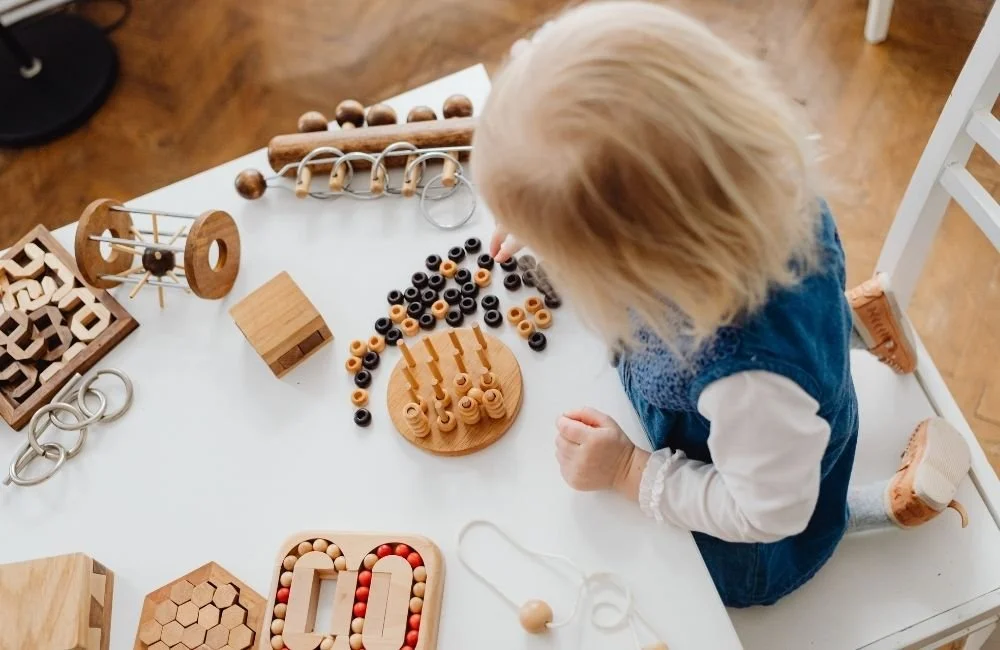
Young children are naturally curious. They want to know how things work, why things happen, and what they can do themselves. In a Montessori environment, that curiosity is protected and encouraged. Instead of rushing children through learning, we give them time to explore, ask questions, and discover. This helps children develop a genuine love of learning rather than seeing learning as something they only do for praise or reward.
We encourage critical thinking
Children do not build strong thinking skills by always being told exactly what to do. They build them by making choices, noticing patterns, solving problems, and learning from experience. Montessori classrooms are designed to help children think for themselves. Teachers guide and support, but children are active participants in their own learning.
We support creativity
Creativity is not only about art. It is about thinking in flexible ways, approaching problems from different angles, and having the confidence to try something new. Children need space to imagine, experiment, and express themselves. This kind of creative thinking will matter deeply in the future, especially in a world where routine tasks are increasingly handled by technology.
We build commitment and perseverance
Not everything comes easily, and children need opportunities to experience that in a healthy way. In Montessori, children practice focusing on a task, repeating it, improving through effort, and experiencing the satisfaction of meaningful work. Over time, this helps build commitment, patience, and internal motivation.
We teach collaboration
Even very young children are learning how to live with others. They learn to take turns, listen, respect boundaries, help one another, and be part of a community. These everyday interactions matter. The ability to collaborate well with others will continue to be one of the most important skills in adult life.
We grow compassion
The future needs intelligent people, but it also needs kind people. Children should grow up understanding that their actions affect others. They should learn to be respectful, considerate, and aware of the needs of those around them. In Montessori, grace and courtesy are part of everyday life, and compassion is something children practice, not just hear about.
As parents, it is natural to think about reading, writing, numbers, and school readiness. These things matter. But when we look ahead, we can also see that our children will need something deeper. They will need confidence, judgment, flexibility, and character.
They will need to know how to learn, not just what to learn.
At Orange Seeds Montessori, we believe early childhood education should help children become thoughtful, capable, and caring human beings. Our goal is not only to prepare children for the next classroom, but to give them the foundation they need for life in a changing world.
Because in the end, the greatest progress will not come from information alone.
It will come from people.