
January at Orange Seeds Montessori: A Fresh Start & A Month of Science
January always feels like a fresh beginning

After a restful winter break, we were so happy to welcome the children back into our classrooms at Orange Seeds Montessori. The first days back were full of warm smiles, big hugs, and that familiar rhythm returning—children settling back into their routines, reconnecting with friends, and stepping back into their Montessori work with renewed confidence.
There is something truly special about watching children return after a break. It’s a reminder of how deeply they feel a sense of belonging in their classroom—this space that becomes their “second home.”
This Month’s Focus: Science and Discovery
For January, our classrooms are exploring a new learning block centred around science—and the excitement has been immediate. Children are naturally curious. They ask questions all day long:
“Why does it float?”
“What happens if we mix this?”
“How does it move?”
“What will happen next?”
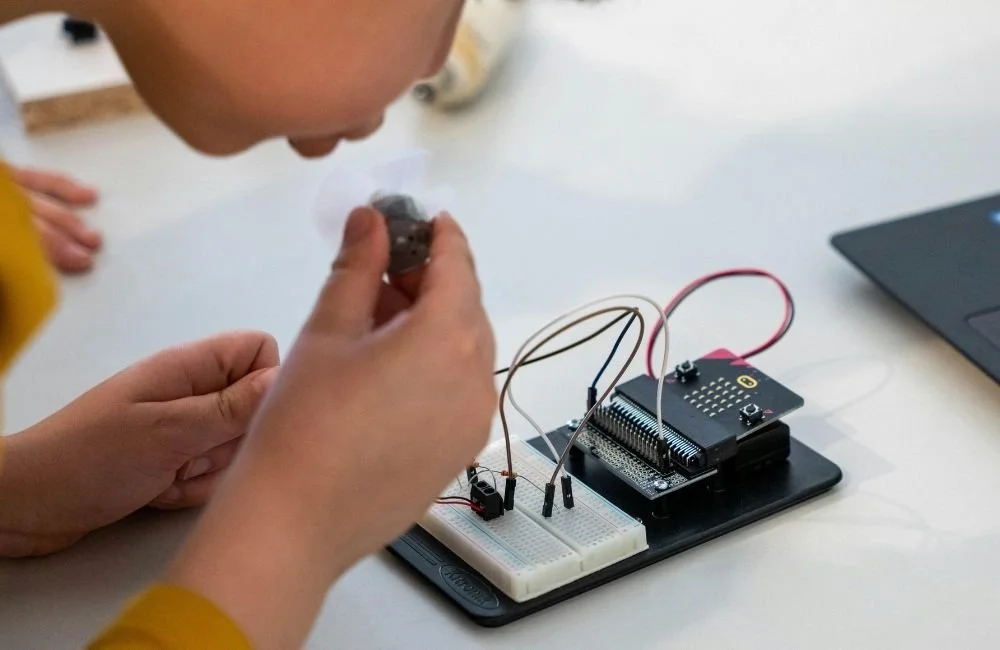
Science in early childhood doesn’t need to be complicated. In fact, the best science learning begins exactly where children are: with wonder, observation, and hands-on exploration.
Why It Matters to Introduce Science Early
Introducing science in the early years helps children develop skills they will use throughout life—not only in school, but in everyday thinking.
When children explore science early, they are building:
Curiosity and a love of learning
Critical thinking (predicting, testing, comparing results)
Problem-solving and perseverance
Confidence in asking questions and exploring answers
Vocabulary and language development through discussion and storytelling
Most importantly, early science teaches children something powerful: it’s okay not to know the answer right away.
Learning becomes a process—not pressure.
What We Are Doing in the Classroom
Throughout January, the children are engaging in science-based learning in a way that is age-appropriate, joyful, and meaningful.
Some of our classroom explorations include:
simple experiments such as mixing, melting, freezing, and dissolving
exploring cause and effect
learning about magnets, motion, and balance
sensory-based observation (what changes? what stays the same?)
hands-on work that encourages children to predict, test, and reflect
We also connect science to the Montessori approach by encouraging:
careful observation
repeated practice
independence and responsibility with materials
respectful collaboration with peers
Science becomes more than an “activity”—it becomes part of how children understand the world.
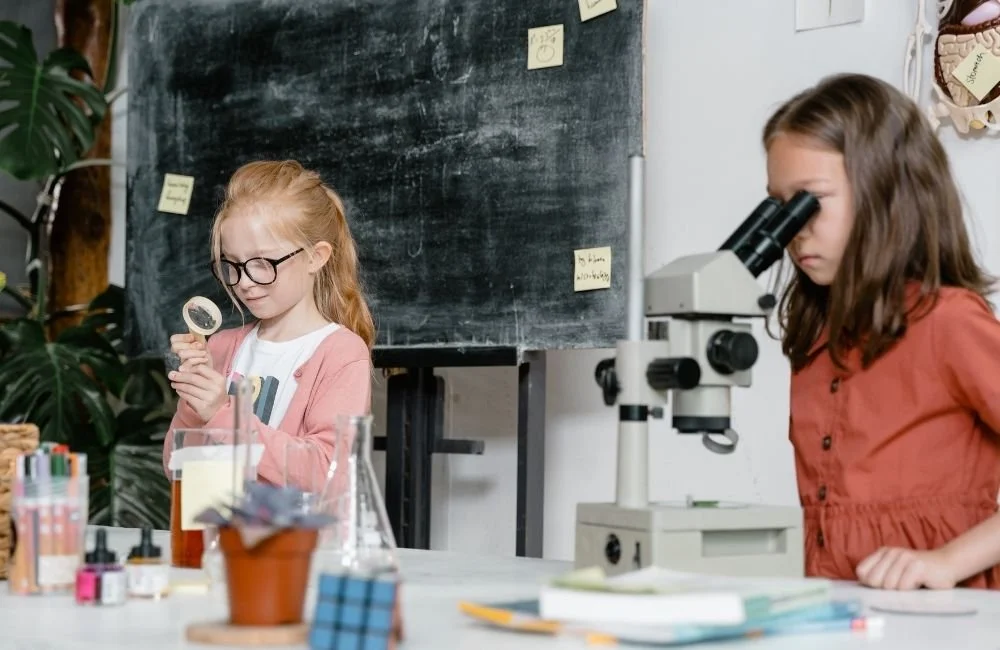
Children’s Feedback: Wonder, Excitement, and Confidence
One of the best parts of this month has been hearing what children say during these explorations.
Their excitement is so genuine. Many children have been asking to repeat experiments again and again, proudly sharing their findings with friends and educators:
“Look! It changed!”
“I did it by myself!”
“Let’s try it a different way!”
For young children, that joy of discovery is everything. It builds confidence—and it helps children see themselves as capable thinkers.
Coming Soon: Our Mad Science Day!
As we continue this science block, our school is also getting ready to celebrate with a special event: Mad Science Day!
Mad Science Day will be a playful and memorable way for children to celebrate learning, creativity, and exploration. The goal isn’t just fun (though it will definitely be fun!)—it’s about making science feel exciting and approachable.
We want children to feel that learning is something they can enjoy, explore, and be proud of.
Looking Ahead
January reminds us that children don’t need to be “taught” curiosity—they already have it. They simply need an environment that supports it.
We are so happy to be back in our classrooms, and even more excited to continue this month of exploration as our children discover, experiment, and wonder their way through science.
We can’t wait for Mad Science Day and all the excitement still to come.