

How Montessori Builds Independence in Young Children
How Montessori Preschool Helps Children Thrive: Independence, Confidence, Curiosity, Respect, Focus, and Compassion
When parents begin looking for a Montessori preschool or daycare, they often focus on academic readiness. Will my child learn letters? Numbers? How to write their name?
While these skills are certainly important, at Orange Seeds Montessori we believe the most important lessons children learn in their early years go far beyond academics.
The early childhood years are when children develop the habits, attitudes, and character traits that will shape who they become. Long after they forget a particular lesson or activity, they will carry with them the qualities that help them navigate friendships, overcome challenges, succeed in school, and eventually thrive as adults.
Every day in our Montessori classrooms, we intentionally nurture six qualities that we believe are essential for lifelong success: independence, confidence, curiosity, respect, focus, and compassion.
Independence gives children the confidence to solve problems and take responsibility for themselves.
Confidence helps them believe in their abilities and face challenges with courage.
Curiosity inspires a lifelong love of learning and discovery.
Respect teaches children to value themselves, others, and the world around them.
Focus helps them concentrate, persevere, and complete meaningful work.
Compassion allows them to build strong relationships and care for others.
These qualities are not taught through lectures or worksheets. They are developed through everyday experiences, meaningful responsibilities, and carefully prepared Montessori environments that allow children to learn through doing.
In this blog series, we will explore each of these qualities in greater depth and share practical ways parents can support them at home. We begin with one of the most important foundations of Montessori education: independence.
Independence: Helping Children Discover "I Can Do It Myself"
One of the first things parents notice when they visit a Montessori classroom is how capable the children are.
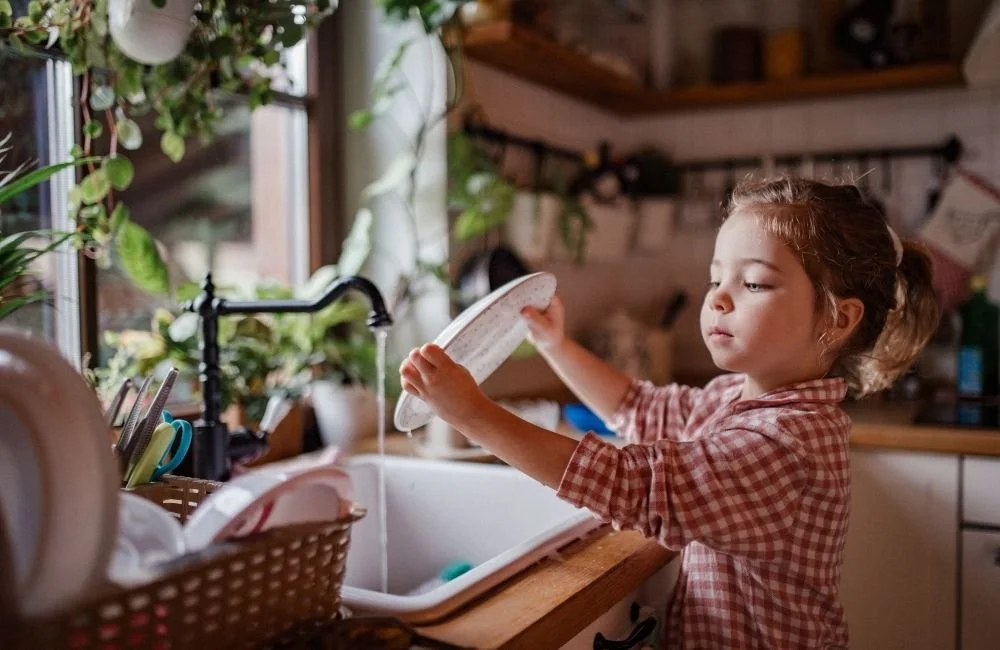
You may see a two-year-old carefully pouring their own water. A preschooler putting on outdoor clothing without assistance. A child preparing a snack, cleaning a spill, sweeping the floor, or selecting and returning Montessori materials independently.
To adults, these may seem like small tasks. To children, they are major accomplishments.
Every time a child successfully completes a task on their own, they receive a powerful message:
"I am capable."
At Orange Seeds Montessori, independence is not something we expect children to develop later in life. It is something we intentionally nurture every day.
Our Montessori classrooms are carefully prepared so children can access materials independently, make choices, solve problems, and care for their environment. Teachers provide guidance and support when needed but avoid stepping in too quickly, allowing children to experience the pride that comes from doing something for themselves.
This approach is one of the reasons Montessori education has become so highly regarded worldwide. Independent children develop confidence, resilience, and a lifelong love of learning.
Why Independence is so Important
Many parents assume that confidence comes from praise. While encouragement is important, true confidence comes from competence. Sometimes, with the best intentions, parents create an artificial environment where children are praised for everything they do. While this may make children feel good in the moment, constant praise can leave children unprepared for the realities of life. As they grow, they will encounter challenges, setbacks, and honest feedback. They need to learn that success comes through effort, practice, persistence, and sometimes failure.
Real confidence is not built by hearing "good job" every day. It is built by overcoming obstacles and accomplishing something that once felt difficult. Children develop selfesteem when they discover for themselves, "I worked hard, I kept trying, and I succeeded." That belief is far more powerful and lasting than praise alone.
Children feel proud when they can do something on their own.
Think about the joy on a child's face when they finally button their coat, pour their own water, carry their plate to the table, or put their work back on the shelf without being reminded. To us, these may seem like very small tasks. But to a child, these are big moments. Each one quietly tells them, "I can do this."
These little victories build over time. The child who learns to tidy up their toys begins to understand responsibility. The child who helps prepare a snack learns to take initiative. The child who tries to solve a puzzle before asking for help begins to trust their own thinking.
Independence is not only about dressing, cleaning, or organizing. It is about helping children become problem-solvers. It teaches them to try, make mistakes, learn from them, and try again. It also helps children develop self-discipline. When a child learns to finish an activity before moving on to the next one, return materials to their proper place, clean up after themselves, or continue working even when something feels challenging, they are building habits that shape their character.
Experience shows us that successful people are not always the smartest or the most talented. More often, they are the people who have learned self-discipline. They know how to stay focused, work toward their goals, and keep going when things become difficult. These qualities are not developed overnight. They are built slowly through everyday experiences and small responsibilities.
Over time, independence helps children develop a mindset that says:
"I can figure this out."
And that may be one of the most valuable lessons a child can learn.
Supporting Independence at Home
Parents play a very important role in helping children become independent. The good news is that you do not need to do anything complicated. Some of the best learning happens during simple everyday routines at home.
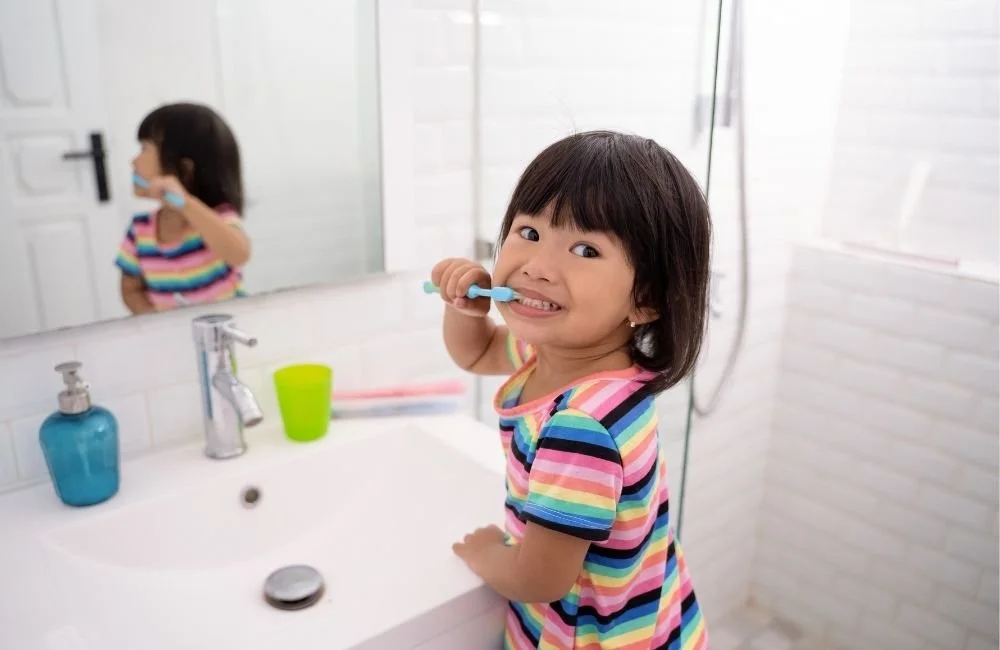
Let your child try small tasks on their own, such as getting dressed, putting shoes away, helping with snacks, pouring water, or cleaning up toys. These little moments may not seem important to adults, but for children they are opportunities to build confidence, responsibility, and a sense of accomplishment.
You can encourage your child to:
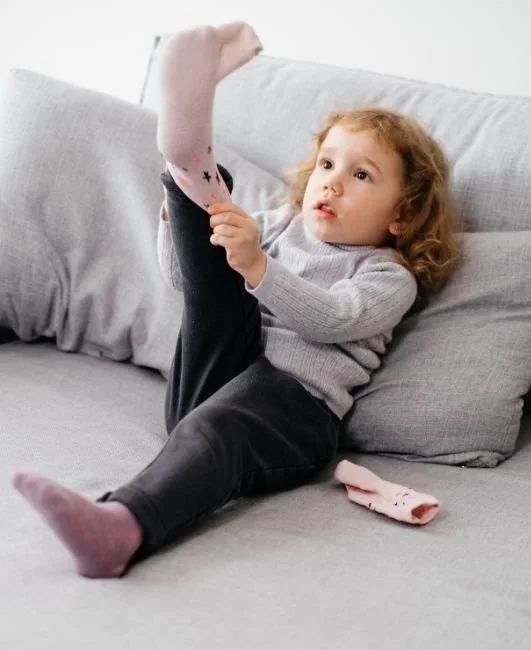
Dress themselves, even if it takes longer.
Put away their toys and belongings.
Help set and clear the table.
Pour their own water.
Serve simple snacks.
Help with simple household chores.
Make small choices, such as choosing between two outfits or two healthy snacks.
At first, it may be messy. Water may spill. Socks may not match. Toys may end up in the wrong basket. That is okay. This is how children learn.
The goal is not perfection. The goal is practice.
When we give children time and space to try, we show them that we believe in them. Over time, they become more capable, more confident, and more willing to take responsibility. These small everyday moments help children develop the beautiful feeling of, "I can do it myself."
As children grow older, consider giving them regular responsibilities around the house. Simple chores are one of the best ways to build self-discipline, responsibility, and a strong work ethic. These small daily responsibilities build character. They teach children how to follow through on commitments, complete tasks even when they are not exciting, and take pride in contributing to the family. These are the same skills that will later help them succeed in school, in their careers, and in life.
A Gift That Lasts a Lifetime
One of the greatest gifts we can give our children is the belief that they are capable.
As Maria Montessori famously said, "Never help a child with a task at which he feels he can succeed."
At Orange Seeds Montessori, we see the power of this philosophy every day. We watch children transform from needing constant assistance to proudly saying:
"I can do it myself."
And those five simple words may be the beginning of something extraordinary.