

The Qualities That Last a Lifetime: Compassion
Imagine this.
Two children are working side by side. One accidentally knocks over a basket of carefully sorted materials. Before an adult has a chance to step in, another child quietly kneels down and begins helping pick everything up.
No one asked.
No one offered a reward.
No one even noticed at first.
Yet in that simple moment, something far more important than a lesson in colours or counting was taking place.
Compassion was growing.
As parents, we often think of compassion as teaching children to be kind, to share, or to say “sorry.” While those behaviours certainly matter, true compassion goes much deeper. It is the ability to notice another person’s experience, understand that their feelings matter, and choose to respond with care.
This isn’t something children simply learn from being told to “be nice.” It develops gradually through everyday experiences, meaningful relationships, and opportunities to care for others.
In our last blog, we explored how children develop independence—the ability to think for themselves, solve problems, and take ownership of their actions. It is one of the six qualities we intentionally nurture every day in our classrooms because we believe these qualities lay the foundation for a happy, capable, and fulfilling life. This month, we’re turning our attention to the next quality: compassion.
What Does Compassion Look Like in the Classroom?
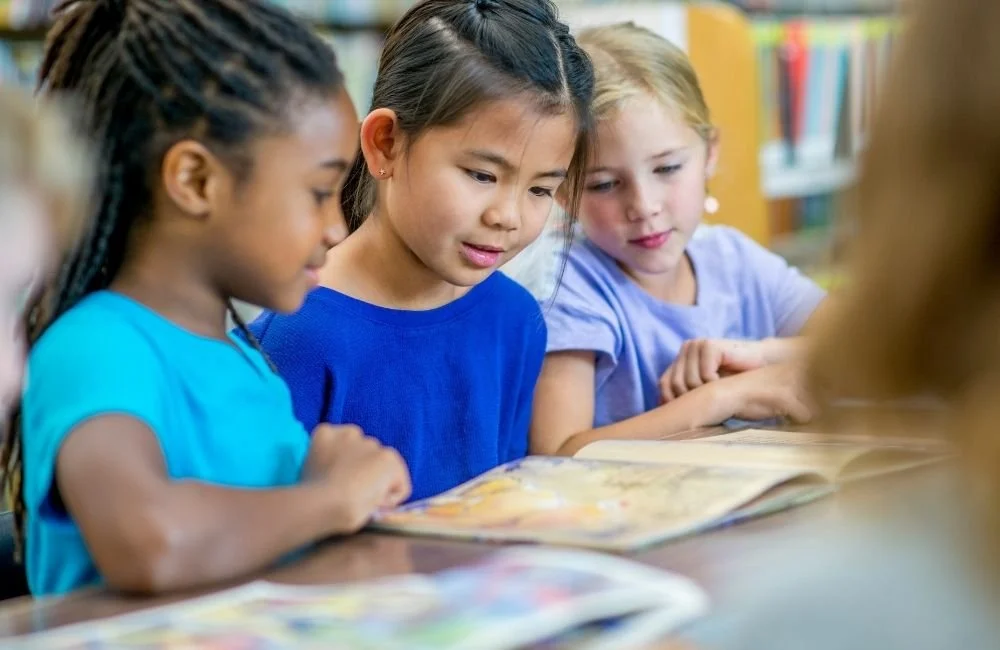
One of the beautiful things about young children is that compassion often appears in the smallest moments.
A child notices a friend sitting alone and invites them to join.
Someone remembers another child’s favourite song and suggests singing it together.
A child patiently waits while a younger classmate finishes putting on their shoes.
Another quietly fetches a tissue when someone begins to cry.
These moments cannot be forced or scripted. They happen because children spend each day in a community where kindness is lived rather than simply discussed.
Children watch how adults speak to one another. They observe how conflicts are handled with respect. They see classmates helping instead of competing.
Little by little, they begin doing the same.
Perhaps the most surprising part is that compassion doesn’t make children dependent on others—it actually strengthens their independence. When children feel emotionally safe and cared for, they become more willing to take healthy risks, solve problems, and confidently explore the world around them.
Why Compassion Matters
Compassion changes the way children experience the world.
Instead of seeing people simply as classmates, siblings, or strangers, compassionate children begin wondering what others might be feeling or needing. That small shift in perspective has a remarkable impact on how they build friendships, navigate disagreements, and respond to challenges throughout life.
Perhaps even more surprisingly, compassion supports confidence.
Children who know how to encourage others often become less concerned with constantly proving themselves. They discover that belonging doesn’t come from being the fastest, the smartest, or always being first. It comes from contributing to the people around them.
As children grow, this ability becomes increasingly valuable. Whether they’re working on a school project, joining a sports team, or eventually entering the workplace, success depends not only on individual ability but also on listening, cooperating, and building positive relationships.
These are skills that begin taking root in early childhood.

Supporting Compassion at Home
The wonderful thing about compassion is that it doesn’t require special lessons. It grows through the ordinary moments families share every day.
Model the behaviour you hope to see.
Children are always watching. The way you thank a cashier,speak about neighbours, or respond when someone makes a mistake quietly teaches them how to treat others.
Talk about feelings, not just behaviour.
When reading a book or talking about a situation, ask questions like, “How do you think they were feeling?” or “What do you think would have helped?” These conversations encourage children to look beyond actions and consider another person’s perspective.
Invite your child to help.
Whether they’re setting the table, comforting a younger sibling, helping carry groceries, or making a card for someone who’s unwell, meaningful opportunities to contribute help children experience the joy that comes from caring for others.
Allow children to repair relationships.
When disagreements happen, resist solving every problem immediately. With gentle guidance, children can learn to listen, apologize sincerely, and find solutions together. These experiences teach that compassion isn’t just about noticing someone’s feelings—it’s also about taking responsibility for our own actions.
Growing Hearts Alongside Growing Minds
As parents, we naturally hope our children will leave school with strong academic foundations. But perhaps an equally important question is this:
Who are they becoming along the way?
A compassionate child notices when someone needs help. They celebrate another person’s success instead of feeling threatened by it. They welcome others, offer encouragement, and understand that even small acts of kindness can make a big difference.
These qualities may seem quiet in childhood, but they shape the friendships children build, the leaders they become, and the communities they help create.
Because preparing children for life isn’t only about filling their minds with knowledge. It’s also about nurturing the character they’ll carry with them wherever life takes them.