

Montessori on the Move: How to Travel With Kids and Enjoy It
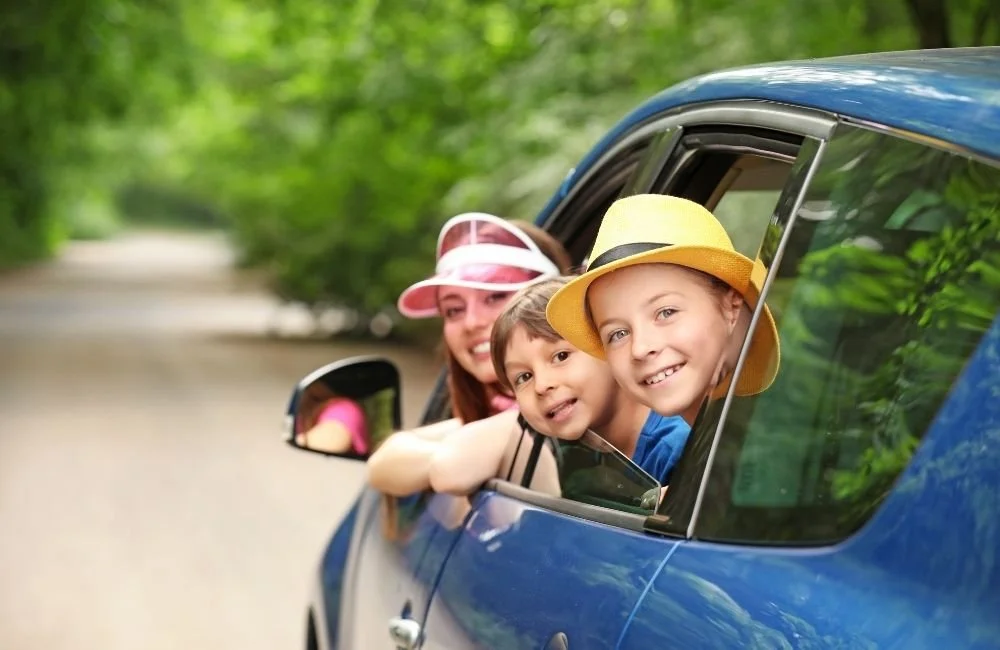
Let’s be honest—vacationing with young children doesn’t always feel like a vacation. Between packing lists, snack negotiations, and the inevitable “Are we there yet?” it can start to feel more like a relocation than a relaxing getaway. But with a little intention (and a few Montessori-inspired shifts), your next family trip really can be enjoyable—for both you and your little ones.
Here are some travel-tested tips to help you create a vacation that’s joyful, meaningful, and maybe even a little restful.
1. Invite Your Child Into the Planning Process
Montessori philosophy teaches us that children thrive when they feel a sense of ownership and agency. This applies to everyday routines—and vacation planning, too.
You don’t need to hand over the travel itinerary, but offering simple choices can go a long way. Try asking:
“Would you like to visit the aquarium or the butterfly garden tomorrow?”
“Which snacks should we pack for the car ride?”
“Can you help pack your clothes? Here are three shirts—choose two.”
When kids feel involved, they’re more likely to be cooperative and excited—making for a smoother trip for everyone.

2. Create a Child-Sized Travel Experience
Now think about ways to give your child some independence on the go. Montessori environments are designed for children to explore independently—and the same idea applies on the road.
Give your child a small backpack with their travel essentials: a water bottle, a few favourite books, a comfort item, or even a travel journal. At rest stops or airports, encourage them to carry their own bag and help with small tasks like handing over their boarding pass or choosing a snack.
These little responsibilities build confidence, keep them engaged, and give you approximately 3.5 minutes to find your gate before someone needs the bathroom again.
3. Stick to (Some) Routines
Vacations are about breaking free from the daily grind—but small children still find comfort in predictability. Try to preserve parts of your child’s routine where possible: bedtime rituals, familiar snacks, quiet time after lunch.
It doesn’t need to be rigid, but anchoring the day with something consistent helps kids feel safe and secure, especially in unfamiliar settings. That security often translates into fewer tantrums and more enjoyment for the whole family.
4. Less Is More (Really)
It’s tempting to plan every moment of your holiday, but sometimes the best memories come from unstructured time. Instead of a packed itinerary, leave space for slow mornings, spontaneous detours, and barefoot beach afternoons.
Children don’t need endless activities—they need time to explore, wonder, and connect with the world around them. A simple nature walk or people-watching at a café can offer just as much (if not more) value than a full-day theme park pass.

5. Build in Breaks—For Everyone
You know those “breaks” where the kids are napping and you're frantically trying to organize lunch, do laundry, and answer emails? Yeah—those don’t count.
Real breaks matter—for you and your child. Schedule quiet downtime into your days: reading under a tree, sketching in a notebook, or even just lying on a blanket watching the clouds. These simple pauses give children space to process new experiences and help adults recharge, too.
(And yes, if your break involves earbuds and a podcast while your partner takes the kids to the pool, that still counts.)
6. Embrace the Imperfect Moments
No trip is perfect—and truthfully, very few go entirely as planned. But the Montessori philosophy reminds us that growth often happens in moments of challenge.
If the museum is closed or someone’s shoes get wet five minutes into the hike, that’s okay. Take a breath, adjust, and try to see the humour in it. Your children are watching how you respond—and learning resilience in the process.
Plus, these are often the stories you’ll laugh about later. (“Remember when we had to eat dinner on beach towels because someone sat on the sandwiches?”)
Final Thoughts
At its core, a Montessori approach to travel is about seeing every trip as an opportunity for meaningful learning—not just entertainment. It’s about connecting with new environments, cultures, and people in a way that respects your child’s pace, perspective, and capacity to grow.
And yes, it’s also about you enjoying yourself, too. With a little planning, a lot of patience, and a good sense of humour, family vacations can be fun for everyone.
So here’s to smooth(er) travels, small discoveries, and maybe—just maybe—a quiet moment to enjoy that hot coffee.