

The Summer Slowdown: Why Boredom is Good for Your Child

Let’s talk about boredom. That dreaded word parents hear somewhere around the second day of summer break. But what if we told you that boredom isn’t a problem to solve—it’s a gift to embrace?
In a Montessori setting, we view boredom as a gateway to imagination, creativity, and deeper learning. When children aren’t directed by constant entertainment, they begin to direct themselves—and this is where the magic happens.
Your child says, “I’m bored.” You resist the urge to swoop in with crafts, apps, or a jam-packed schedule. What comes next? Often, a cardboard box becomes a rocket ship, a restaurant kitchen, or a tiny puppet theatre.
It may not look structured—but it’s deeply meaningful. Children are exercising their autonomy, learning to initiate ideas, follow through on interests, and persist through uncertainty. These moments, though quiet and often overlooked, are the root of confidence and creativity.
Why Boredom is a Good Thing
In today’s fast-paced world, children are often rushed from one activity to the next. Playdates, soccer practice, camps, classes—you name it. As parents, we want to give our children everything. But when every moment is filled, we accidentally take away something vital: space.
Boredom creates space.
It creates room for children to slow down, notice the world around them, and develop independent thought. When nothing is happening, the brain doesn’t shut off—it starts to wander, invent, and solve. That uncomfortable “I don’t know what to do” feeling? It’s the brain’s way of stretching.
From a developmental standpoint, boredom nurtures patience, self-regulation, and emotional resilience. Children learn how to manage their own time, how to be okay with quiet, and how to find joy in the everyday. These are not small things. These are the foundations of lifelong learning.
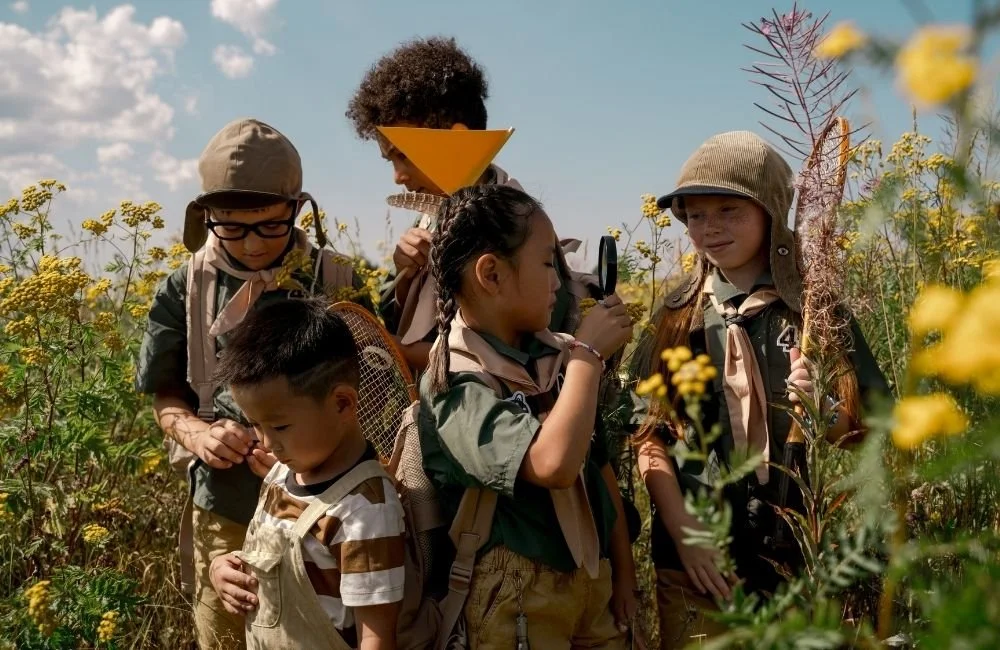
How Montessori Embraces Boredom
The Montessori approach doesn’t aim to eliminate boredom—it embraces it as a necessary part of growth.
Montessori environments are intentionally calm, open, and simple. There is no overstimulation, no flashing toys, no constant direction. Children are given freedom within limits. They choose their own work, move at their own pace, and learn to follow their inner interests.
This independence builds the very muscle boredom activates: initiative. When a child doesn’t know what to do next, they’re encouraged to explore, observe, and try. No one rushes in to “fix” the boredom. Instead, Montessori guides allow time and space for the child to arrive at their own discovery.
In this way, boredom becomes not a void, but a turning point. It’s a transition into self-led learning, emotional resilience, and confidence.
Learning to Manage Boredom
Children who learn to manage boredom early on are building self-awareness, creative problem-solving skills, and emotional endurance. These are the same qualities that help adults manage stress, invent new ideas, and stay engaged in tasks without immediate reward. The payoff isn’t just getting through summer—it’s thriving long-term.
As a parent, how can you support this learning?
Pause before solving. When your child says “I’m bored,” resist the urge to jump in. Try responding with curiosity: “That’s interesting. I wonder what you’ll come up with.”
Model calm and trust. Children take their emotional cues from us. If you treat boredom like a catastrophe, they will too. If you treat it like an opportunity, they’ll rise to the occasion.
Set up the environment, not the agenda. A well-prepared space is more helpful than a well packed schedule. Keep materials and activities accessible and organized so children can choose independently.
Remember: your child doesn’t need you to fill their time. They need the chance to figure out how to fill it themselves.
Preparing Your Home for the Summer Slowdown
As summer begins, now is the perfect time to prepare your home environment in a way that encourages independence and supports curiosity—without over-scheduling or overcomplicating.
Here’s how you can set up your space to handle the inevitable “I’m bored.”
Create a Montessori-Inspired Shelf or Station
Set up a small area with a few carefully chosen, open-ended activities: puzzles, art supplies, books, or building materials. Rotate items every couple of weeks to keep things fresh. The key is to keep it simple and accessible so your child can use it without needing your help every time.
Invite Them Into Everyday Routines
Let your child help with everyday tasks like slicing fruit, sweeping the floor, pouring water, or setting the table. These aren’t just chores—they’re valuable opportunities to build coordination and focus while helping children feel grounded in meaningful, real-world work.
Keep Nature in Reach
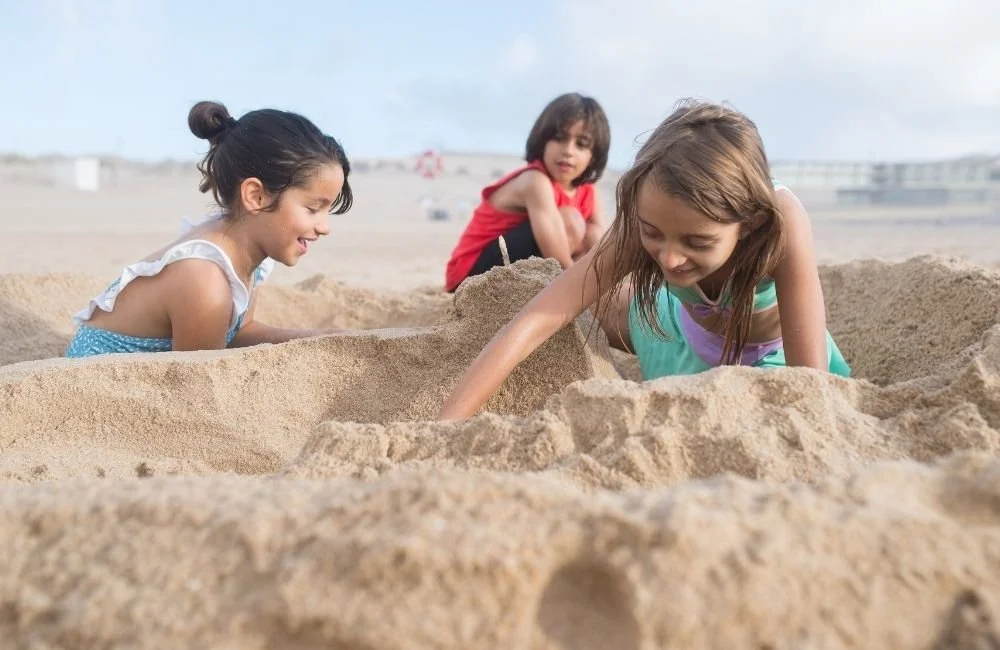
Encourage your child to interact with nature in simple, hands-on ways. Gather a few items like smooth stones, pinecones, or flower petals and place them in a basket for your child to explore. A small bowl of soil, water, or sand can also offer opportunities for scooping, pouring, and pretend play—no special equipment required.
Limit the “Rescue Tools”
We all reach for a screen now and then, and there’s nothing wrong with a bit of downtime. But if boredom always leads to a tablet or TV, children miss out on the chance to develop their own creative solutions. Try not to rush in with entertainment every time. Let the pause stretch a little longer than is comfortable.
Be Okay with Downtime
Not every moment has to be filled. Downtime can look like laying on a mat with quiet music, flipping through a picture book, or simply watching birds from a windowsill all count. These pauses are when the mind recharges and self-direction begins.
The Gift of Summer Space
Boredom isn’t a problem to fix—it’s often the beginning of something meaningful. Whether you try out this approach at home or let your little one explore it with us this summer, the goal is the same: to offer children space to follow their own interests and discover what they’re capable of.
Our Book Adventures summer program is here as a helping hand for families who want support bringing these ideas to life. It’s built on the same Montessori principles we’ve shared here: children are trusted to take the lead, and educators are there to guide with care and intention. While our days are thoughtfully planned, they’re never rushed. We leave room for curiosity, movement, and quiet moments in between.
So this summer, instead of trying to fill every gap, give curiosity a little room to wander. You never know what stories might unfold when a child is simply given the space to begin.